

Humidity is a term we hear often, especially when talking about weather and comfort levels, but what exactly does it mean? High humidity refers to the amount of moisture present in the air, and it plays a significant role in how we feel and how our environment behaves. Understanding what defines high humidity, how it’s measured, and the role temperature plays can help you better grasp this everyday phenomenon. Knowing what is high humidity is essential here.
Defining Humidity and High Humidity
Humidity refers to the concentration of water vapor in the air. When the air contains a large amount of moisture, it is described as having high humidity. Essentially, high humidity means the air is saturated or nearly saturated with water vapor, making it feel moist or sticky. This is common in tropical climates or during warm summer days when evaporation from lakes, oceans, and plants adds moisture to the atmosphere. High humidity affects comfort, air quality, and even health, as excessive moisture can promote mold growth and worsen respiratory issues.
How Humidity Is Measured: Absolute vs. Relative Humidity
Humidity can be measured in two main ways: absolute humidity and relative humidity. Absolute humidity measures the actual amount of water vapor present in a given volume of air, expressed in grams per cubic meter. However, relative humidity (RH) is the more commonly used measurement, especially in weather reports. Relative humidity is expressed as a percentage and shows how much moisture the air contains compared to the maximum amount it can hold at a specific temperature. For example, an RH of 70% means the air holds 70% of the total moisture it is capable of holding before becoming saturated.
The Role of Temperature in Relative Humidity Levels
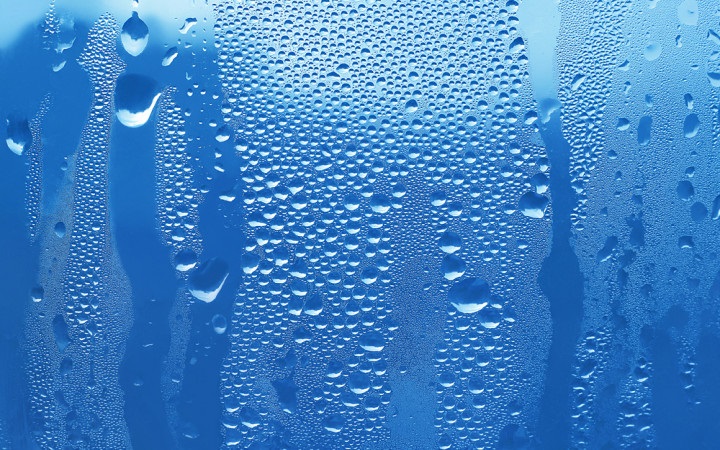
Temperature has a major impact on relative humidity because warm air can hold more moisture than cold air. As temperature rises, the air’s capacity to hold water vapor increases, so relative humidity may decrease if no additional moisture is added. Conversely, when air cools, its capacity to hold moisture decreases, often causing RH to increase. This explains why dew forms in the early morning when temperatures drop, and why humid days feel hotter, as warm air holds more moisture, making sweat less effective at cooling the body.
What Is Considered High Humidity?
Generally, relative humidity levels above 60% are considered high, and levels above 70-80% are often described as very humid. High humidity can cause discomfort because it slows the evaporation of sweat, preventing the body from cooling efficiently. This can make the air feel hotter than the actual temperature. High humidity can also affect buildings and belongings by encouraging mold, mildew, and wood rot, and it can worsen allergies and asthma symptoms.
Managing and Monitoring Humidity
Knowing how humidity works helps in managing indoor air quality and comfort. Using humidifiers or dehumidifiers can help maintain ideal indoor RH levels, generally recommended to be between 30% and 50%. Hygrometers are devices used to measure relative humidity inside homes or workplaces. Understanding and controlling humidity is important not only for comfort but also for protecting health and property, especially in areas prone to high moisture levels.
