

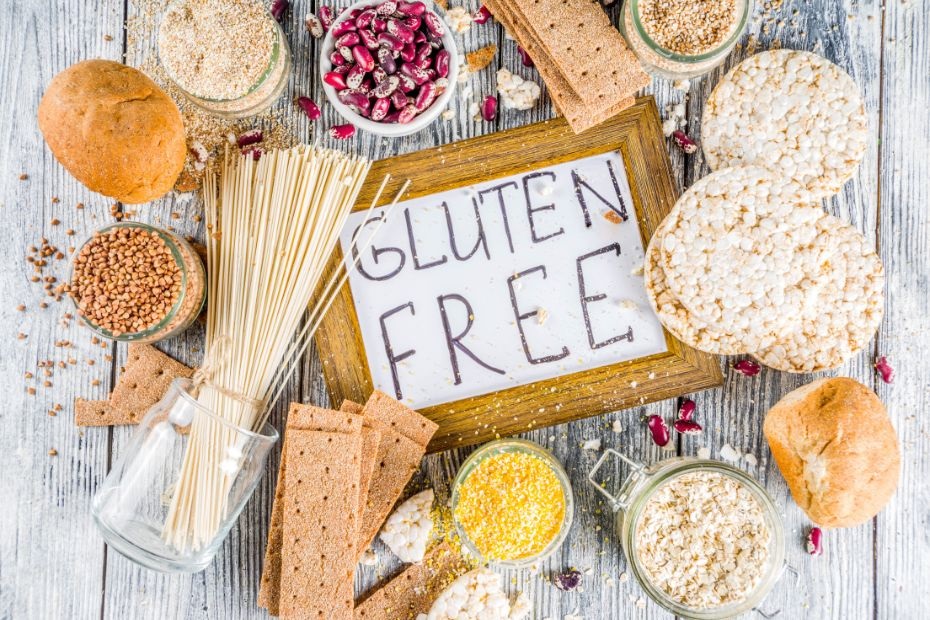
Over the last decade, gluten-free eating has moved from being a medical need for a limited group of families to a prevailing lifestyle choice. Supermarkets are soon stocked with gluten-free breads, pastas, and snacks, while saloons insolently proclaim their gluten-free options. But the question remains—has gluten free diet doubtlessly enhanced a health need for the general society, or is it more of an educational food style?
Why People Avoid Gluten
Gluten is a protein found in some grains. It provides elasticity to the dough. For most societies, gluten is natural. However, for those with certain conditions, absorbing gluten may be injurious.
• Celiac disease:
An autoimmune disorder in which gluten injures the small intestine, chief to fiber imperfections and digestive issues.
• Non-stomach gluten feeling:
People experience symptoms in the way as bloating, fatigue, and headaches afterwards absorbing gluten, despite not having celiac disease.
• Wheat allergy:
An allergy to proteins in wheat, containing gluten.
For individuals accompanying these environments, preventing gluten is not optional—it’s essential for their energy.
The Gluten-Free Boom
While only about 1% of the global public has celiac disease, millions more have adopted gluten-free consumption. According to consumer research, the grain-free food manufacturing has of age into a multibillion-dollar industry, with goods available in almost all grocery stores. Celebrities, sports, and energy influencers frequently promote gluten-free diets as a habit to feel more dynamic, decrease, or improve digestion.
Trend or True Essentiality?
The solution lies in between. For those following celiac disease or gluten sensitivities, going grain-free is unquestionably a need. However, the vast majority of society does not need to avoid gluten for healing reasons.
Many public report impression better when they cut down on processed snacks that frequently hold gluten, like cakes, fast food, and white bread. In specific cases, it can not be gluten itself that’s hurtful, but the highly refined goods in which it is usually found.
The Pros and Cons of Going Gluten-Free
Like any diet shift, gluten-free eating has two advantages and drawbacks.
Benefits:
- Relief from syndromes for those accompanying feelings or stomach disease.
- Encourages more knowledgeable eating, as label knowledge enhances a habit.
Challenges:
- Some commodities are well processed and can lack texture and vitamins.
- Removing gluten unnecessarily manages a confined dietary type without determined benefits.
Conclusion
The rise of gluten-free eating is two together an essentiality for a few and a fad for others. While directing conditions are crucial for a limited allotment of the state, the behavior appeal has compelled its recognition into the prevailing.
Ultimately, either you go gluten-free bear believe in your individual energy needs, alternatively dietary crazes. An aware approach to consuming—gluten-free or otherwise—remains the key to enduring well-being.
